
Carbide Drill Bits Buyers Canada
Get paid competitive rates per pound for solid carbide drill bits, indexable inserts, and reamers. We travel Canada-wide for bulk pickups from small and large machine shops.
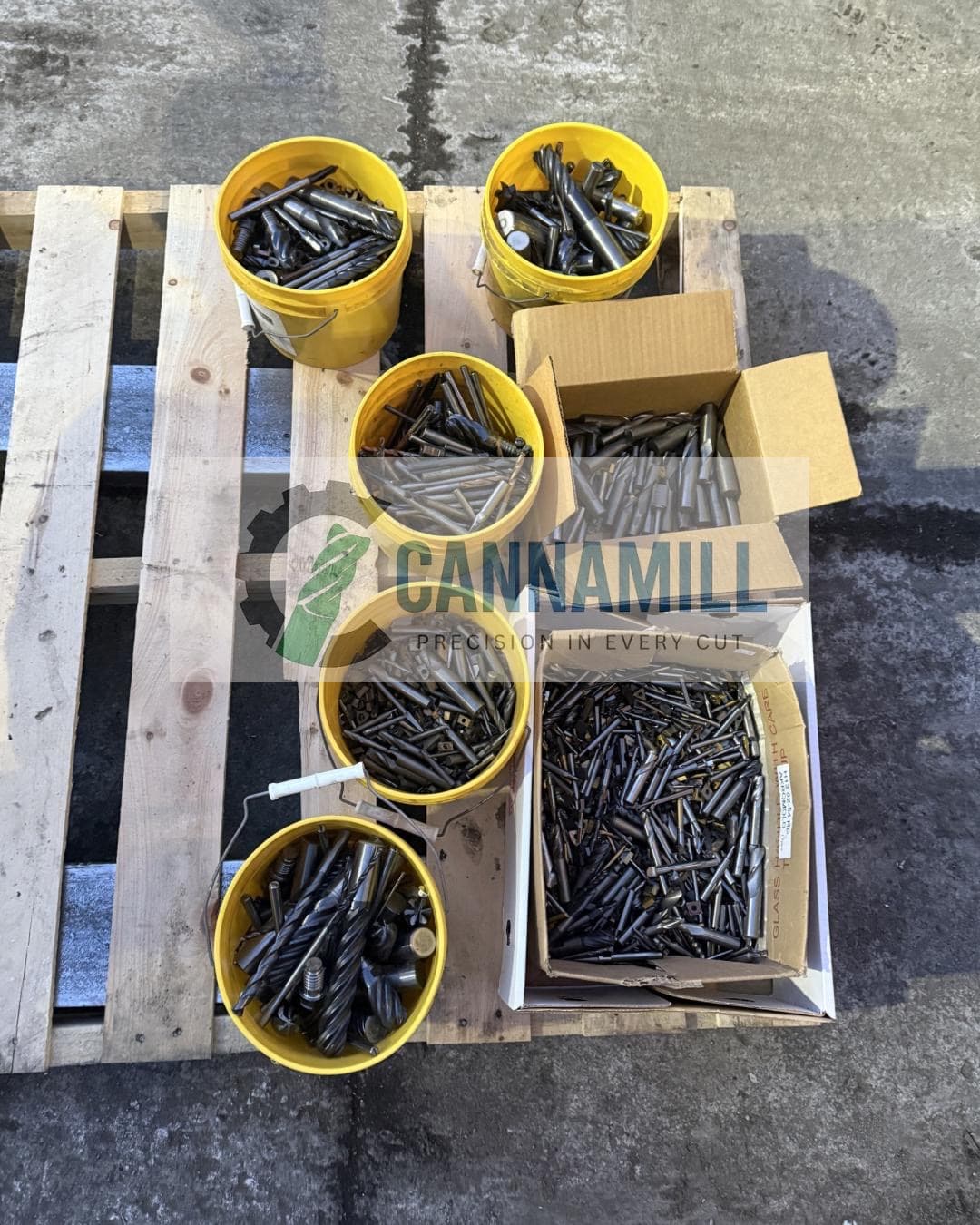
What Are Carbide Drill Bits & Why Are They Valuable?
Carbide drill bits are cutting tools engineered from a composite of tungsten carbide particles bound with cobalt. Designed to drill through hardened metals, structural steels, composite structures, and concrete, they exhibit high wear resistance and thermal stability.
Tungsten is a rare refractory metal with limited global reserves. Because primary tungsten extraction from mined ore is environmentally taxing, processed tungsten carbide holds a premium recycling value. Recycling spent drills allows refiners to reclaim raw materials directly, bypassing primary smelting.
Types of Carbide Drills We Accept
We buy all sizes, lengths, coatings, and styles of drilling scrap:
- ✓ Solid Carbide Twist DrillsStraight shank, jobber length, and coolant-through drills of all flute designs.
- ✓ Indexable Drill HeadsReplaceable carbide tips, spade drill inserts, and modular drilling heads.
- ✓ Masonry & Construction DrillsHeavy-duty SDS carbide tipped bits, core drills, and rock drilling buttons.
- ✓ Step Drills & Specialty bitsMulti-step drill bits, center drills, counterbores, and custom tooling blanks.
What Affects the Value of Scrap Drills?
Three main variables dictate the value of a scrap drill lot:
- Solid vs. Brazed/Tipped: Drills made entirely from tungsten carbide command the highest price per pound. Bits where the carbide tip is brazed onto a tool steel shank have a lower purity rating because of the weight of the attached steel.
- Sorting and Contamination: Mixed bins containing high-speed steel (HSS) drills, steel chips, or heavy grease require manually sorting, which adjusts the net per-pound rate.
- Total Weight: Large industrial lots have lower freight overhead per pound, allowing us to offer higher base rates for bulk accumulations.
Sorting Guidelines for Shop Floor Operators
To ensure your shop receives the highest possible return on spent drills:
- Run a Magnet Test: Solid carbide is weakly magnetic. High-speed steel (HSS) is strongly magnetic. Separate any strongly magnetic drills into a separate steel scrap bin.
- Sort by Construction: Place solid carbide drills in one bucket and carbide-tipped SDS or indexable holders in another.
- Remove Excess Liquid: Allow drill buckets to drain so you do not carry excess coolant weight, which is deducted during final scaling.
💡 Did you know?
- •High-speed steel (HSS) drills contain no tungsten carbide and are valued at standard steel scrap rates, which are significantly lower.
- • SDS masonry bits have steel shanks and carbide tips. Keep them sorted to maximize payout.
- •Handheld XRF spectrometers are used at our pickup vehicle to check the exact cobalt matrix of your lot.
- •Removing steel adapters or indexable tool holders from drill tips can double your payout value.
Common Drill Recycling Questions
Can I sell drill bits with steel shanks or adapters?
Yes. However, if the carbide tip is brazed or welded onto a steel body, the material is classified under our 'brazed/tipped' tier. This tier has a lower price per pound than solid carbide because the steel must be separated during refining. For maximum value, separate solid carbide drills from tipped tools.
How can I tell a carbide drill bit apart from a steel one?
There are three primary tests: 1) Weight: Carbide is about twice as dense as steel and feels significantly heavier. 2) Magnetism: A strong magnet will stick firmly to steel drills, while solid carbide is only weakly magnetic (due to the cobalt binder). 3) Spark Test: Grinding steel yields long, bright orange sparks, whereas carbide produces short, dull red sparks.
What packaging should I use for heavy scrap drills?
Because drill bits are extremely heavy and have sharp edges, they can tear through standard cardboard boxes or light bags. We highly recommend using heavy-duty 5-gallon plastic buckets or metal drums for collection and pickup.