
Carbide Sludge Buyers Canada
Convert your tool-grinding sludge and swarf into capital. Based in Ontario, we manage logistics, transport compliance, and certified weighing across Canada.
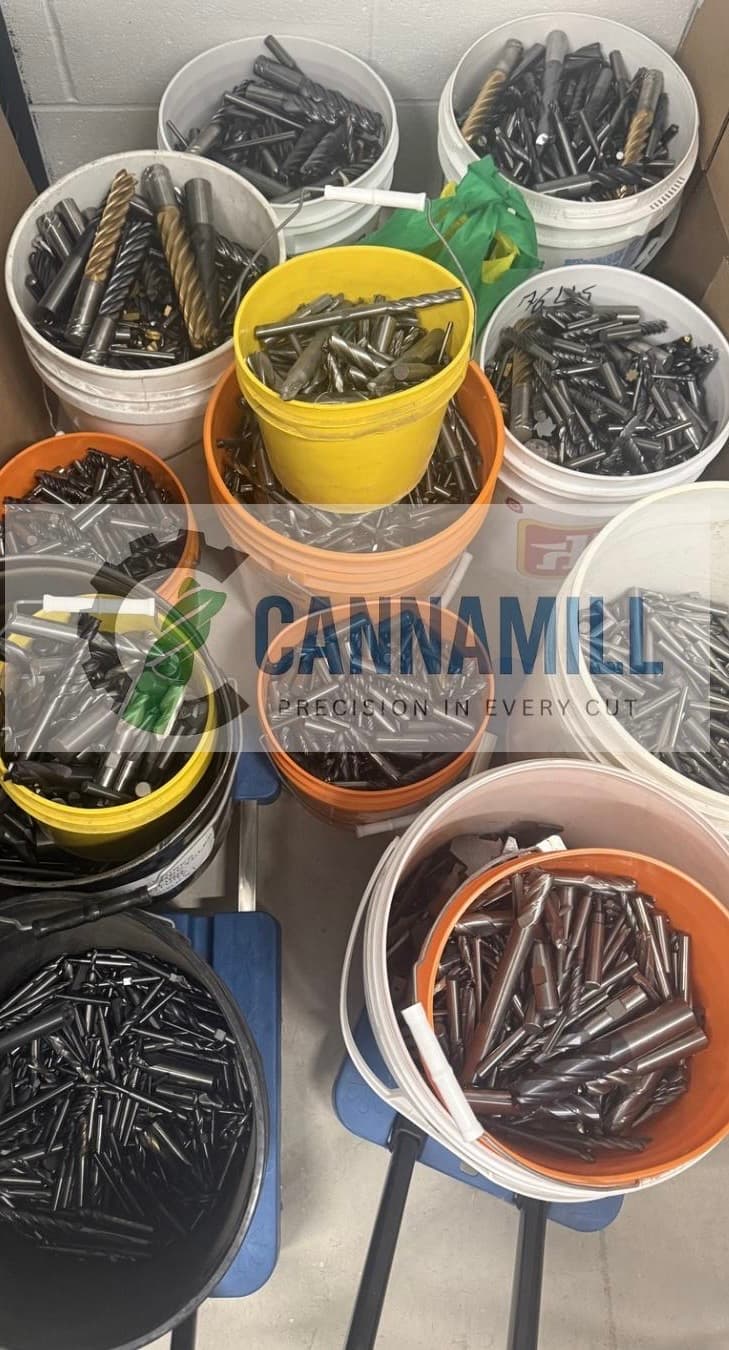
What is Carbide Sludge & Why is it Recycled?
During tool resharpening, regrinding, and automated manufacturing (utilizing CNC grinding machines), tool steel and carbide rods are shaped by grinding wheels. The intense heat requires oil or water-based coolants. This grinding debris—containing fine tungsten carbide particles and cobalt binder fragments—mixes with the coolant to form a heavy sludge.
Because this sludge is heavy and contains metallic particulates, disposing of it in standard waste streams is restricted and costly. Recycling not only provides compliance but also allows machine shops to reclaim significant value, since the fine particulates contain high concentrations of tungsten and cobalt.
Packaging Guidelines for Safe Transit
Due to the liquid nature of wet sludge, safe packaging is critical to prevent leaks, environmental contamination, and sorting deductions. Follow these standard preparation guidelines:
How Pricing is Calculated
Tungsten carbide sludge value is priced based on its **dry metal percentage**. Oil, coolant, and water carry significant weight but hold zero recycling value.
When we schedule a pickup, we utilize a core sampler to extract representative material from your drums or buckets. We test the sample to calculate the liquid-to-solid ratio. Payout is determined by multiplying the net dry weight of the tungsten carbide content by the current market rate per pound.
On-Site Pickup and Transport Compliance
We handle all aspects of transport. For large volumes of sludge, we bring lift gates and heavy pallets to load the containers safely. Since sludge is heavy (often weighing 60–100 lbs per 5-gallon bucket), proper industrial handling equipment is utilized by our team on-site.
💡 Did you know?
- •Tungsten carbide grinding swarf can contain up to 90% dry-basis tungsten carbide depending on sorting.
- •Draining standing coolant before our team arrives ensures a faster, higher-value per-pound quote.
- •Mixing steel grinding waste with carbide sludge severely reduces its chemical recycling efficiency.
- •We provide heavy-duty replacement collection drums for qualified manufacturing facilities.
Common Sludge Recycling Questions
What is carbide sludge?
Carbide sludge (also referred to as grinding swarf or grinding oil residue) is a fine industrial by-product generated when tungsten carbide cutting tools are manufactured, resharpened, or reground. The grinding wheel wears down the carbide, creating microscopic particles that mix with the grinding oil or liquid coolant, forming a thick, mud-like sludge.
Why is grinding sludge valuable?
The solid particles suspended in the sludge are pure tungsten carbide and cobalt. Because this material has already been refined, it represents a high-grade source of tungsten. Specialized chemical recycling facilities can extract, clean, and re-sinter these micro-particles back into high-purity tungsten carbide powder.
How do you calculate the price for a batch of wet sludge?
Pricing is calculated based on the dry-weight tungsten content. When we inspect a lot, we take a core sample to analyze its moisture and oil percentage. The estimated dry-carbide weight is valued against current market rates. Allowing your sludge to settle and draining excess oil before pickup is the best way to maximize your payout.